
Molybdenum-copper alloy, a significant functional material comprising molybdenum (Mo) and copper (Cu), has found extensive applications in electronics, energy, aerospace, and other high-tech fields due to its exceptional mechanical properties, corrosion resistance, and good electrical conductivity. As technological advancements and market demands evolve, the formulation and revision of molybdenum-copper alloy material standards have become crucial to ensure material quality, promote technological progress, and facilitate industrial upgrades. This article explores the trends in the formulation and revision of molybdenum-copper alloy material standards.
Current Status of Molybdenum-Copper Alloy Material Standards
Molybdenum-copper alloy material standards have been established globally to ensure uniformity in material composition, properties, and performance. These standards typically specify the alloy’s chemical composition, mechanical properties, electrical conductivity, corrosion resistance, and other critical characteristics. International organizations such as ASTM (American Society for Testing and Materials) and ISO (International Organization for Standardization) have developed and published relevant standards for molybdenum-copper alloys.
In China, the formulation of molybdenum-copper alloy material standards has also kept pace with international developments. The Chinese government and industry associations have issued a series of national and industry standards to regulate the production, quality control, and application of molybdenum-copper alloys. These standards cover various aspects such as alloy classification, manufacturing processes, testing methods, and acceptance criteria.
Trends in Formulation and Revision of Standards
- Increasing Emphasis on High-Performance Alloys
With the rapid development of high-tech industries such as electronics, aerospace, and renewable energy, the demand for high-performance molybdenum-copper alloys is growing. This trend is driving the formulation and revision of standards to include more stringent requirements for alloy composition, mechanical properties, and corrosion resistance. For example, new standards may specify higher molybdenum or copper content ranges to achieve specific performance enhancements.
- Focus on Environmental and Sustainability Aspects
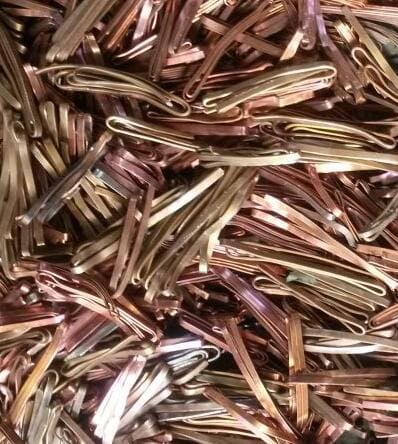
Environmental protection and sustainability are increasingly important considerations in material standards. Molybdenum-copper alloy material standards are now incorporating requirements for environmental friendliness, resource efficiency, and waste reduction. This includes promoting the use of recycled materials, reducing energy consumption during production, and minimizing the release of harmful substances.
- Advancements in Testing and Characterization Techniques
The development of advanced testing and characterization techniques is enabling more accurate and reliable assessment of molybdenum-copper alloy properties. These techniques, such as high-resolution scanning electron microscopy, X-ray diffraction analysis, and mechanical testing under extreme conditions, are being incorporated into standards to provide a more comprehensive understanding of alloy behavior.
- Harmonization of International Standards
Globalization is leading to increased harmonization of international standards for molybdenum-copper alloys. This trend aims to reduce trade barriers, facilitate international trade, and promote technological exchange. International organizations are working together to develop globally accepted standards that can be used by countries worldwide.
- Incorporation of New Manufacturing Technologies
Advancements in manufacturing technologies, such as additive manufacturing (3D printing) and precision casting, are enabling the production of complex molybdenum-copper alloy components with enhanced properties. These technologies are being incorporated into standards to ensure that the materials produced meet the required performance standards.
The formulation and revision of molybdenum-copper alloy material standards are crucial to meet the evolving needs of high-tech industries and ensure material quality and performance. Trends in standard development include increasing emphasis on high-performance alloys, focus on environmental and sustainability aspects, advancements in testing and characterization techniques, harmonization of international standards, and incorporation of new manufacturing technologies. As these trends continue, it is expected that molybdenum-copper alloy material standards will become more comprehensive, rigorous, and globally accepted, driving technological progress and industrial upgrades in the field.